
We Served Our Country. Now We Protect Your Property.

Solar Panels + Roof Replacement: How to Do Both at Once — A DMV Homeowner's Guide

Doing Them Separately Costs More, Takes Longer, And Risks Your Roof Warranty

Replacing your roof and installing solar panels are the two largest exterior home investments most DMV homeowners make — and doing them separately costs significantly more, takes longer, and requires your solar system to be removed and reinstalled when the roof eventually fails. Coordinating both projects under one roof specialist eliminates duplicate labor, ensures the new roof carries the right warranty for a solar installation, and lets you lock in the federal tax credit on both investments simultaneously.
best solar panels
0 %
Federal Investment Tax Credit for solar systems installed through 2032
0 +
Peak sun hours per day in the DMV — among the strongest in the Mid-Atlantic region
0 yr
Typical solar panel manufacturer power output warranty — new roof must last as long
0 x
Cost multiplier for solar removal and reinstallation when done after original roof fails

Why Coordinate Both Projects — 3 Reasons That Change The Math

Cost Savings

One Mobilization, One Crew, One Project - Roofing labor mobilization and tear-off is the largest cost in any roof project. When solar installation happens on the same visit, you eliminate a second mobilization entirely — saving on crane/lift rental, crew scheduling, and permit fees that would be duplicated across two separate projects.

Warranty Protection

New Roof Warranties Support Solar Installations Solar panels installed on an aging or end-of-life roof will need to be removed and reinstalled when that roof fails — at full cost, often not covered by either warranty. Installing on a new roof ensures the roofing warranty covers the penetration points and that the manufacturer will honor the full warranty term.

Tax Credit Timing

Maximize Federal and State Credits in One Tax Year The federal Investment Tax Credit (ITC) covers 30% of the entire solar system cost — including roof work that is part of the solar installation. Coordinating both in the same tax year maximizes your credit capture and simplifies the documentation required for the IRS Form 5695 filing.

How The Combined Project Works — 4 Steps In The Right Sequence

What Dmv Homeowners Need To Know Before Combining Both Projects

DMV Solar Production Potential

The DC–Virginia–Maryland region averages 4.5–5 peak sun hours daily — strong solar production that makes residential solar economically competitive, especially with Virginia's net metering policy.

Roof Pitch and Orientation Matter

South-facing roof planes at 20–35 degree pitch deliver optimal energy yield in the DMV. East and west-facing installations produce 10–20% less but still pencil out economically with current equipment pricing.

VA, MD, and DC Have Different Rules

Solar permitting, utility interconnection requirements, and net metering policies differ significantly across the three DMV jurisdictions. A contractor licensed in all three states avoids delays from jurisdiction-specific requirements.

Panel Placement Affects Roof Warranty

Most shingle manufacturer warranties specify approved mounting methods for solar installations. Penetrations made without approved flashing hardware can void the roofing warranty — an important detail when coordinating both systems.

Net Metering Maximizes the Investment

Virginia's net metering program allows solar production to offset utility consumption on a 1:1 basis — credits roll forward monthly. Sizing the system correctly from the start, before the roof is done, ensures optimal panel count.

Timing the ITC Is Critical

The federal 30% solar ITC applies in the year the system is placed in service — not when it's contracted. Ensure your project timeline gets the system commissioned and inspected within the same tax year you plan to claim the credit.

Tips For Dc, Virginia & Maryland Homeowners Combining Both Projects

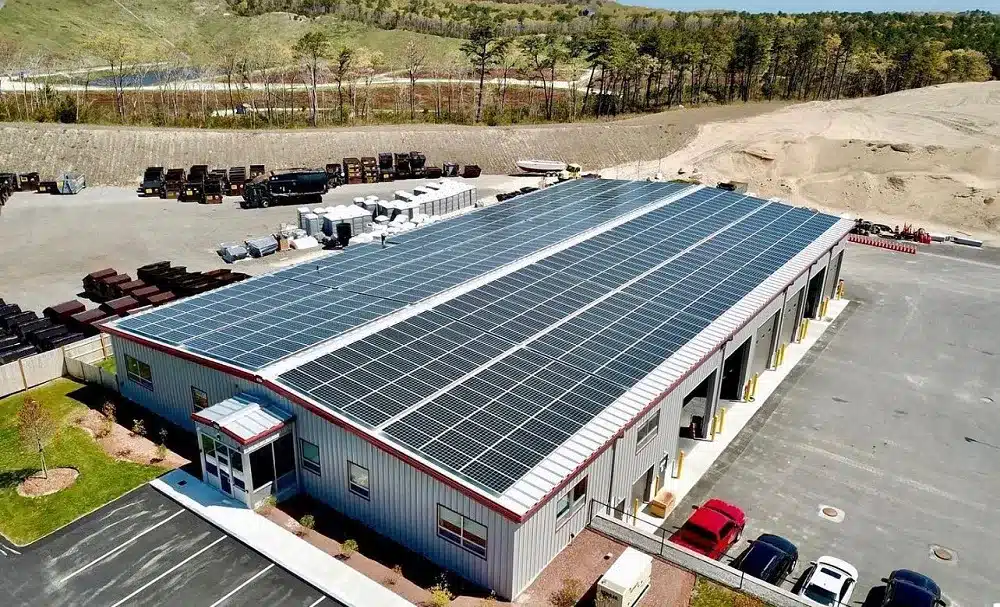
Rooftop Solar Panels
Get your roof assessment and solar site evaluation scheduled together — they use different inspection criteria and doing them simultaneously saves a significant amount of scheduling time.
Ask your contractor for the specific shingle manufacturer's solar mounting approval documentation before signing — not all shingles are rated for solar penetrations under full warranty terms.
In Virginia, confirm your utility's interconnection queue wait times before scheduling installation — Dominion Energy interconnection timelines vary seasonally and affect when you start producing energy.
Do not install solar on a roof with less than 10 years of estimated remaining service life — the cost of removing and reinstalling panels when the roof fails will exceed the value of delaying the combined project.
Size your solar system based on 12 months of utility bills, not just peak summer consumption — DMV winters are cold and heating loads matter for annual production-to-consumption matching.