

• Learn how to spot early roof warning signs before small issues turn into bigger repairs.
• Follow simple steps to check shingles, flashing, gutters, and attic spaces for damage.
• Avoid common DIY mistakes and get clear answers to the most asked roof maintenance questions.
Why Roof Maintenance Matters in Spring
Spring in Rockville brings shifting temperatures, rain, and windy days that can test any roof fast. Small issues that stay hidden in winter can turn into real trouble once moisture starts moving through weak spots. When we look for signs your roof needs maintenance, we help stop minor wear from becoming a bigger repair.
A roof often gives clues before it fails, but those clues are easy to miss from the ground. Missing shingles, loose flashing, and stains inside the home can point to trouble that needs attention soon. If we wait too long, the damage can spread to decking, insulation, and even interior spaces.
That is why early roof checks matter so much for local homes and businesses. In a place like Rockville, where spring weather can change quickly, roof care should not be put off until a leak starts. If you need help getting ahead of problems, our team at residential roofing services is ready to step in before small issues grow.
How Roof Care Protects Your Home
Regular roof care helps us catch trouble while it is still easy to manage. That can mean replacing a few damaged shingles, sealing worn flashing, or clearing areas where water may collect. These small actions can help the roof last longer and keep the home safer during wet spring weather.
We also know that roof problems are not always easy to spot from inside the house. A roof may look fine at first, but tiny cracks or lifted edges can let in water over time. Staying alert to roof maintenance tips gives homeowners a better chance to act before the next storm creates more damage.
How to Check for Roof Maintenance Needs
🔍 Step 1: Walk the property
Start by looking at the roof from the ground on all sides of the home. Check for uneven areas, missing shingles, bent metal, or anything that looks out of place. This first look helps you spot visible roof maintenance signs before climbing or opening anything.
📋 Step 2: Look for interior stains
Check ceilings, attic spaces, and upper walls for water marks, peeling paint, or damp spots. These clues often show that moisture has already found its way inside. Catching them early can help prevent larger damage to insulation and framing.
🧹 Step 3: Clear away roof debris
Remove leaves, branches, and other debris from valleys, gutters, and flat areas where water can sit. Debris holds moisture and can speed up wear on shingles and flashing. Keeping these areas clear helps water move off the roof the way it should.
🔧 Step 4: Check shingles for damage
Look for shingles that are curled, cracked, loose, or missing granules. These signs usually mean the surface layer is wearing down and may no longer protect the home well. Damaged shingles should be addressed quickly before rain reaches the layers below.
💧 Step 5: Inspect flashing and seals
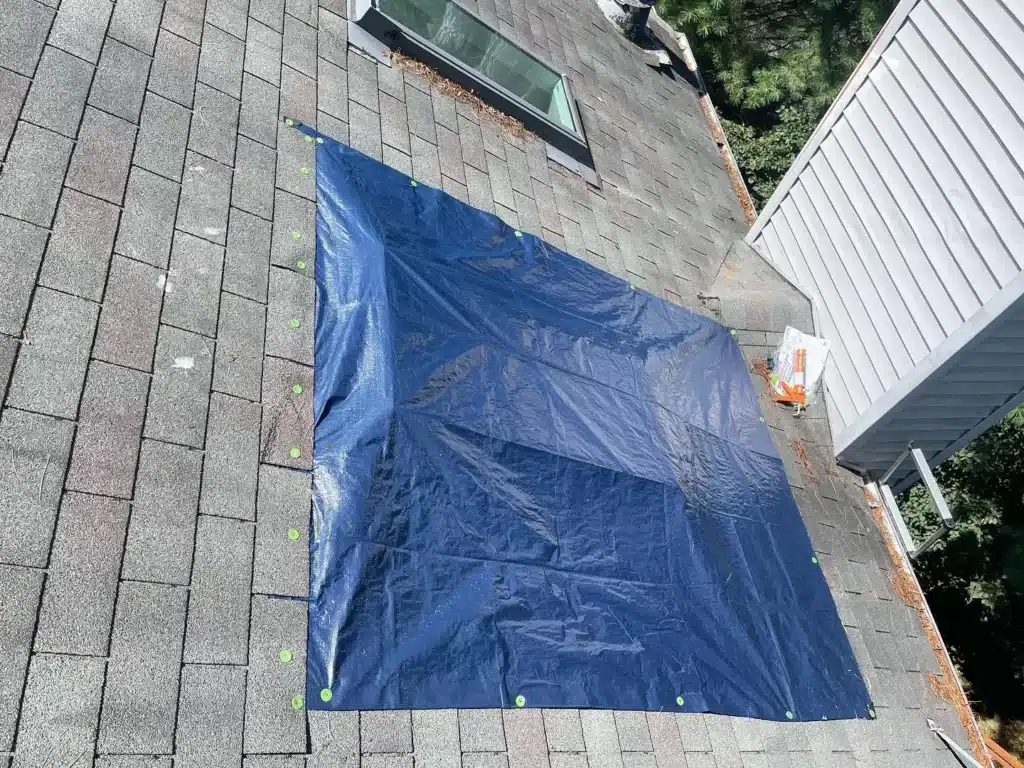
Pay close attention to flashing around chimneys, vents, skylights, and roof edges. These areas often fail first because they deal with changing weather and constant water flow. Loose or rusted flashing can let moisture slip into places that are hard to see.
🌧️ Step 6: Watch how water drains
After a rain, check whether water is moving off the roof and away from the home properly. Standing water, overflowing gutters, or slow drainage can point to blocked or worn areas. Good drainage matters because trapped water adds stress to roofing materials.
🪜 Step 7: Review the attic space
Look in the attic for daylight coming through boards, wet insulation, or a musty smell. These signs can show that the roof has gaps or leaks even when the outside looks fine. The attic often gives the earliest warning that maintenance is needed.
📞 Step 8: Call for a professional check
If you notice several warning signs or are unsure what you are seeing, bring in a roofing pro. A trained eye can catch damage that a homeowner may miss and recommend the right fix. This step is especially important when spring storms have already stressed the roof.
Common DIY Mistakes to Avoid
Trying to handle roof care alone can seem simple at first, but a few missed details can lead to bigger problems. Many people focus only on what they can see from the driveway and skip the parts of the roof that matter most. Avoiding these mistakes can help you make better choices and protect the home longer.
Many homeowners assume a quick look from the yard is enough, but small damage is often hard to see from that distance. This happens because roof wear can be subtle at first and blend in with the rest of the surface. To prevent it, use a careful ground-level check and look for changes in shape, color, or missing materials.
Some people focus only on shingles and forget that the attic can show leaks sooner. This mistake often happens because attic spaces are easy to overlook during a busy season. Prevent it by checking for stains, damp insulation, and any musty smell after a rainy day.
Leaves and branches can trap moisture and wear down roofing parts faster than expected. Homeowners often skip cleanup because the debris does not look serious at first. Prevent this by removing buildup from valleys, gutters, and low spots where water tends to collect.
Flashing around vents and chimneys is one of the most common places for roof trouble to start. People miss it because these parts are smaller than the main roof surface and easy to forget. Prevent problems by checking these areas closely for gaps, rust, or lifted edges.
Many homeowners wait for a leak before taking action, but that usually means damage has already spread. This happens because roof issues can seem minor until a storm makes them worse. Prevent this by responding to early signs your roof needs maintenance as soon as you notice them.
Frequently Asked Questions
What are the most common signs your roof needs maintenance?
Yes, common signs include missing shingles, curled edges, water stains, and damaged flashing. These issues often show that the roof is starting to wear down and may need attention soon. If you notice more than one of these at once, the roof should be checked right away.
How often should I inspect my roof in spring?
Yes, you should inspect your roof at least once in spring and again after strong storms. Spring weather can bring rain, wind, and sudden temperature changes that reveal hidden problems. A regular check helps you catch damage before it turns into a leak.
Can small roof problems get worse quickly?
Yes, small roof problems can get worse very quickly, especially during rainy weather. A loose shingle or small gap can let in moisture and lead to bigger damage below the surface. That is why early action matters when you spot warning signs.
What should I look for inside my home?
Yes, inside warning signs can include ceiling stains, peeling paint, damp spots, and a musty smell. These clues often mean water is getting in somewhere above the ceiling line. If you see them, the roof should be checked soon.
Do I need a pro if I only see one roof issue?
Yes, even one roof issue can be worth a professional look because it may point to a larger problem nearby. A small crack, loose edge, or stain can be the first sign of wider wear. Getting it checked early can help avoid more costly repairs later.
Stay Ahead of Roof Problems
Roof maintenance works best when we deal with small issues before they have time to spread. In spring, that matters even more because weather in Rockville can change fast and put extra stress on aging materials. By watching for early warning signs and checking the right areas, we can help protect the home and avoid surprise repairs.
The best approach is simple: stay alert, check often, and act when something looks off. When the roof needs a closer look, a trusted team can help you sort out what is urgent and what can wait. To keep up with our latest updates, follow us on social media.