
• Solar panels can affect roof life if the roof is already worn, so it is important to check the roof’s age, flashing, and drainage before summer heat adds more stress.
• A simple step-by-step roof check can help spot hidden problems early, protect the roof under the panels, and prevent small issues from turning into costly repairs.
• Many DIY mistakes happen when people skip inspection details or wait for leaks, but early action gives homeowners more control over both roof care and solar performance.
Why Roof Care Matters Before Summer Heat
When summer arrives in Springfield, VA, roof surfaces face longer sun exposure and higher attic temperatures. That matters even more when a home or building has solar panels sitting above the roof deck, because heat and age can work together over time. If we ignore early signs of wear, small issues can turn into costly repairs faster than many property owners expect.
The link between solar panels and roof lifespan is easy to overlook until leaks, loose flashing, or brittle shingles start showing up. A roof that is already stressed may not handle the added demands of a solar setup as well as a healthy one can. That is why timing matters, especially during the summer months when the roof is already under extra pressure.
We often see property owners wait until a problem is obvious, but by then the damage is usually worse than it looks. A careful inspection early in the season can help protect both the roof and the solar system above it. If you want to keep your home in strong shape, it helps to start with trusted guidance from our team before the heat builds up.
How Solar Panels Affect Roof Life
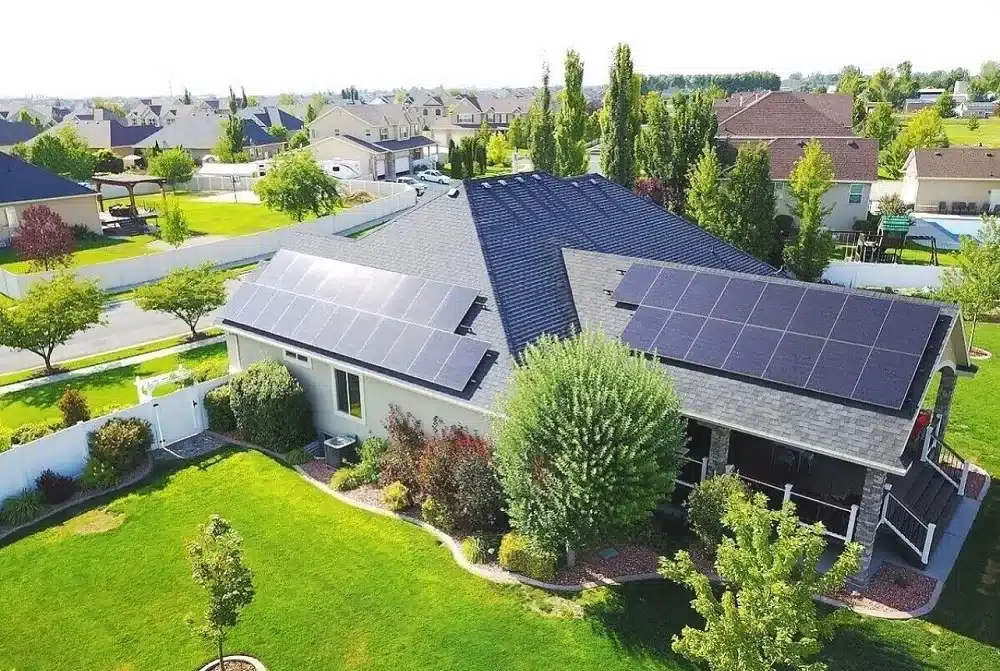
Solar panels do not automatically shorten a roof’s life, but they can make roof care more important. The panels cover part of the roof, so the surface underneath is harder to see and may stay wet longer after rain if drainage is poor. Over time, that hidden area can become a problem if flashing, seals, or roofing materials are not in good shape.
The real issue is usually the roof’s condition before installation and how well it is maintained afterward. A roof that is near the end of its service life should usually be addressed first, since removing panels later can add time and cost to repairs. This is why solar panels and roof lifespan should always be considered together, not as separate issues.
Step-by-Step Guide
🔍 Step 1: Check the Roof Age
Start by finding out how old the roof is and when it was last replaced. If the roof is already close to the end of its expected life, solar planning should include repair or replacement first.
🧰 Step 2: Look for Visible Wear
Inspect shingles, flashing, and sealant for cracks, curling, missing pieces, or rust. These signs can show that the roof needs attention before panels are installed or before summer heat makes the damage worse.
🌧️ Step 3: Review Drainage Areas
Check valleys, gutters, and downspouts for blockages or signs of standing water. Good drainage matters because trapped moisture can shorten roof life and raise the risk of hidden damage under solar equipment.
🛠️ Step 4: Examine Panel Mounting Points
If solar panels are already in place, look at the spots where the system connects to the roof. Loose or worn mounting points can let water reach the roof deck and lead to leaks over time.
🧼 Step 5: Clear Debris from the Roof Surface
Remove leaves, branches, and built-up dirt from the roof and around panel edges. Debris can hold moisture and block water flow, which adds stress to both the roof and the solar setup.
📋 Step 6: Schedule a Roof Check Before Summer Heat Peaks
Have the roof reviewed before the hottest part of the season arrives. A seasonal check can catch small problems early and help protect the roof from heat-related wear.
🔧 Step 7: Fix Small Issues Right Away
Repair cracked shingles, damaged flashing, and weak seals as soon as they are found. Small problems are easier to control before they grow into leaks that affect the roof under the panels.
✅ Step 8: Track Ongoing Roof Condition
Keep a simple record of roof inspections, repairs, and solar work. This helps you spot patterns over time and makes it easier to plan future maintenance with the roof’s age in mind.
Common DIY Mistakes to Avoid
Many homeowners want to handle roof checks on their own, but small oversights can lead to bigger damage. The most common mistakes usually happen when people rush, skip steps, or assume the solar system is the only thing that needs attention. Paying close attention to the roof itself helps avoid expensive surprises later.
- ⚠️ Mistake 1: Ignoring the Roof’s Age Some people focus only on the solar system and forget to check how old the roof is. This happens because the panels are the newest part of the setup, but a weak roof under them can fail sooner than expected. Prevent this by checking the roof’s service life before making any solar decisions.
- ⚠️ Mistake 2: Missing Small Signs of Wear Cracked shingles, worn flashing, and loose sealant are easy to overlook during a quick look. People miss them because the damage may seem minor at first, especially from the ground. Prevent this by using a careful inspection method and looking at every visible roof section.
- ❌ Mistake 3: Forgetting Drainage Problems Gutters and valleys often get skipped, even though they are key to moving water away from the roof. This happens when the focus stays on the panels instead of the full roof system. Prevent this by checking for clogs, standing water, and debris buildup every season.
- 🚫 Mistake 4: Touching Mounting Areas Without Care Some DIY efforts damage the spots where panels connect to the roof. This often happens when people try to clean or inspect around the system without knowing how it is secured. Prevent this by treating all mounting points as sensitive areas that need careful handling.
- ⚠️ Mistake 5: Waiting for a Leak to Act Waiting until water enters the home is one of the biggest mistakes homeowners make. It usually happens because the damage is hidden and does not seem urgent at first. Prevent this by addressing small issues early, before they turn into visible interior damage.
Frequently Asked Questions
Do solar panels shorten roof lifespan?
No, solar panels do not automatically shorten roof lifespan. The roof condition before installation and the quality of ongoing maintenance matter much more.
Should a roof be replaced before installing solar panels?
Yes, in many cases it should. If the roof is already old or showing wear, replacing it first can save time and money later.
What should I check around solar panels and roof lifespan?
You should check shingles, flashing, seals, and drainage areas. These parts often show early signs of trouble that can affect both the roof and the solar setup.
How often should a roof with solar panels be inspected?
A roof with solar panels should be inspected at least once a year. It is also smart to check it after major storms or before the hottest part of summer.
Can hidden roof damage happen under solar panels?
Yes, hidden damage can happen under solar panels. Moisture, loose flashing, or worn roofing materials may stay out of sight until a leak becomes obvious.
Final Thoughts on Roof Care
Taking care of the roof before and after solar installation helps protect your home from avoidable damage. When we pay attention to age, wear, drainage, and mounting points, we give the roof a better chance to last through the summer heat in Springfield, VA. That is especially true when solar panels and roof lifespan need to work together over many years.
A smart inspection plan can make a big difference in how well the roof performs under pressure. If you stay ahead of small issues, you can protect both your roof and your solar investment with more confidence. For more updates and helpful company news, follow us on Facebook.