
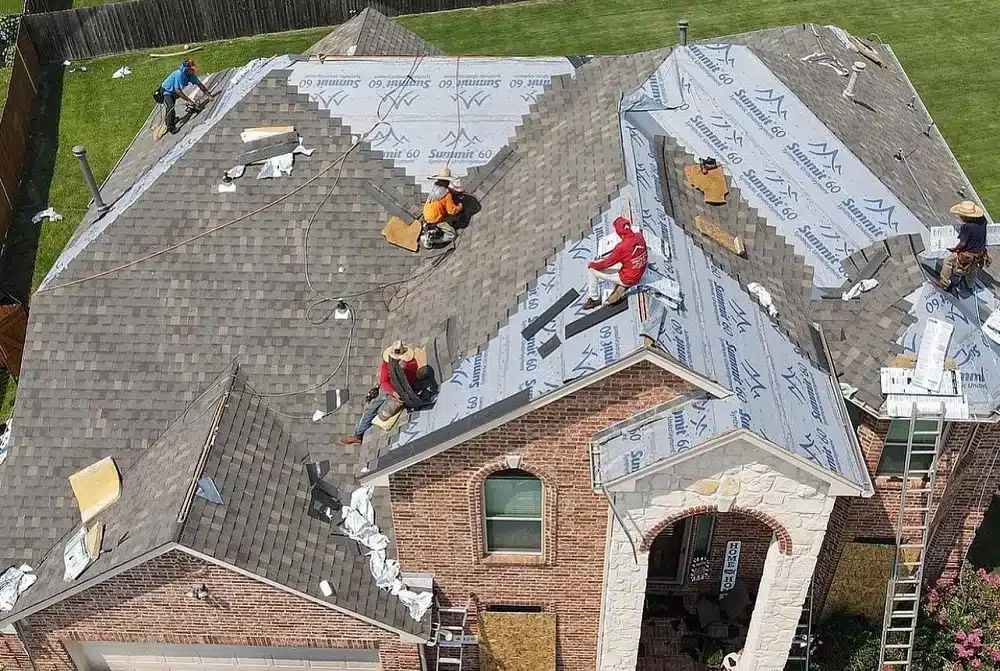
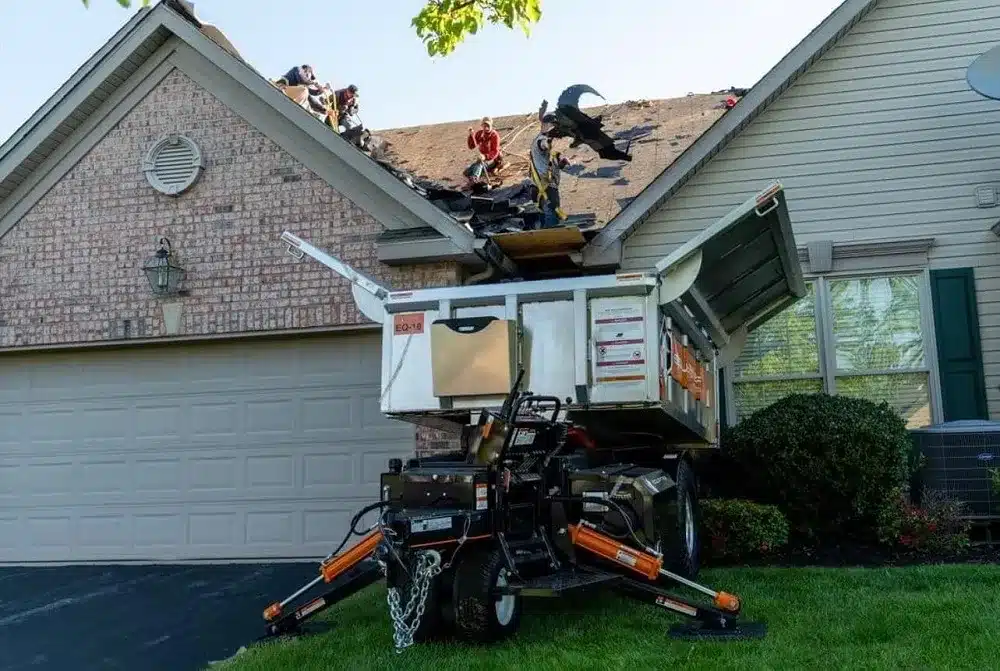
• Catching roof problems early before winter can help prevent leaks, water damage, and costly repairs.
• A fall inspection should focus on seams, flashing, drainage, surface wear, and hidden moisture.
• A clear step-by-step roof check can help property owners spot warning signs and know when to call a professional.
Why Fall Roof Checks Matter Before Winter Hits
As the weather cools in Potomac, small roof issues can turn into bigger problems fast. A commercial roof inspection before winter helps us catch damage early, before snow, ice, and repeated freeze-thaw cycles put extra stress on the roof. For business owners, that can mean fewer surprises, fewer repairs, and less downtime when the season gets rough.
Fall is the best time to look closely at a commercial roof because there is still time to fix issues before winter weather settles in. We often see worn flashing, clogged drains, and surface damage become much harder to manage once temperatures drop. If your building has not had a recent checkup, now is the time to act by reviewing your roof care plan at our commercial roofing services.
Even a roof that looks fine from the ground may have weak spots hiding under the surface. Water can work its way into small openings and then expand when freezing temperatures arrive, which can make the damage spread. Taking care of a commercial roof inspection before winter now gives us a better chance to protect the building, the inventory inside, and the people who depend on the space every day.
What We Look for During a Fall Roof Check
A good roof inspection starts with the areas most likely to fail under cold weather pressure. We check seams, flashing, drainage points, surface wear, and signs of past leaks because these are common trouble spots on commercial roofs. If any part of the system is already stressed, winter weather can make the problem worse very quickly.
We also look for ponding water, soft areas, loose materials, and anything that could let moisture in once snow begins to build up. Many roof problems start small, then grow when wind, ice, and trapped water work together. A commercial roof inspection before winter is a smart way to stay ahead of repairs instead of reacting after damage shows up.
How to Prepare a Commercial Roof for Winter
🔍 Step 1: Walk the property safely
Start by looking at the roof from the ground and around the building. Notice any sagging, standing water, debris buildup, or visible wear so you know where to focus first. This helps us catch warning signs before they become bigger issues.
🧹 Step 2: Clear leaves and roof debris
Remove leaves, branches, and dirt from roof surfaces and drainage areas. Debris can trap moisture and block water flow, which raises the risk of leaks and ice buildup. A clean roof is better prepared for changing fall weather.
📋 Step 3: Check seams and flashing
Look closely at seams, edges, and flashing around roof penetrations. These are some of the most common places for water to get in when temperatures swing up and down. If anything is loose, cracked, or separated, it should be addressed quickly.
💧 Step 4: Test drainage points
Make sure drains, scuppers, and gutters are open and moving water away from the roof. Water that cannot drain properly may sit on the roof and add stress to the system. This is especially important before the first freeze.
🛠️ Step 5: Inspect membrane or surface wear
Check for splits, blisters, punctures, or worn spots on the roof surface. These small defects can let moisture in and spread damage beneath the top layer. Catching them early helps reduce the chance of winter leaks.
🌡️ Step 6: Look for signs of trapped moisture
Watch for stains, soft spots, or bubbling that may point to hidden water under the surface. Trapped moisture can expand when it freezes, which can make the problem worse. Finding it before winter gives us a better chance to limit the damage.
🔧 Step 7: Secure loose materials
Check that metal trim, fasteners, and other roof parts are firmly in place. Strong fall winds can loosen weak sections and create entry points for water. Keeping these parts tight helps the roof hold up better in harsh weather.
📞 Step 8: Schedule a professional roof inspection
Bring in a commercial roofing team to review anything that looks off or needs a closer look. A trained inspector can spot hidden issues that are easy to miss during a basic walk-through. This is the best way to confirm the roof is ready for winter.
Common DIY Mistakes to Avoid
Many property owners try to handle winter prep on their own, but small oversights can lead to bigger roof problems later. The most common mistakes usually happen when the process is rushed or when important details are missed. Knowing what to avoid can save time, money, and stress.
⚠️ Mistake 1: Skipping the ground-level inspection
This happens when people go straight to cleaning or repairs without first looking for visible warning signs. It often occurs because they want to save time, but that can cause them to miss major issues like sagging or drainage trouble. Start with a full visual check so you know where the real risks are.
⚠️ Mistake 2: Ignoring drainage problems
Blocked drains and clogged gutters are easy to overlook, especially when the roof still looks fine from a distance. This mistake happens because standing water may not seem urgent at first, but it can quickly create leaks and winter stress. Prevent it by clearing every drainage point before colder weather arrives.
⚠️ Mistake 3: Overlooking small seam gaps
Tiny openings at seams or flashing often get missed during quick DIY checks. People usually miss them because the damage is subtle and not always visible unless you inspect closely. Prevent this by checking all edges and roof openings carefully before winter weather begins.
⚠️ Mistake 4: Forgetting hidden moisture signs
Some roof damage is not visible from the surface and shows up as soft spots, stains, or bubbling. This mistake happens when people focus only on what they can see easily. Prevent it by looking for changes in texture, color, or feel that may point to water below the surface.
⚠️ Mistake 5: Delaying professional help
A lot of people wait until a leak shows up before calling for support. That delay usually happens because the roof seems stable, but small issues can turn costly once winter weather hits. Prevent it by getting expert eyes on the roof early, especially if you notice anything unusual.
Frequently Asked Questions
Why is a commercial roof inspection before winter important?
Yes, a commercial roof inspection before winter is important because it helps catch weak spots before cold weather makes them worse. Freeze-thaw cycles, snow, and ice can turn small issues into leaks or structural damage. Early inspection gives us time to fix problems while conditions are still manageable.
What are the most common roof problems before winter?
Yes, the most common problems include loose flashing, clogged drainage, surface wear, and hidden moisture. These issues often show up first during fall and can become serious once temperatures drop. A careful inspection helps us find them before winter weather adds pressure to the roof.
How often should a commercial roof be inspected?
Yes, a commercial roof should be inspected at least twice a year, with one of those checks happening before winter. That timing helps us catch seasonal damage and prepare for colder weather. Roofs with heavy foot traffic or past repairs may need more frequent attention.
Can a roof look fine and still have problems?
Yes, a roof can look fine from the ground and still have hidden damage. Small seam gaps, trapped moisture, and worn flashing are not always easy to spot without a closer look. That is why a commercial roof inspection before winter is such a smart step for property owners.
What happens if winter roof issues are ignored?
Yes, ignored winter roof issues often lead to leaks, interior damage, and more expensive repairs later. Water can enter through small openings and freeze, which can spread the damage faster. Acting early helps protect the building and keeps small problems from turning into major ones.
Ready for Winter Roof Season?
A strong fall roof check gives us a better chance to avoid weather-related damage and keep a commercial building protected through the winter. When we look for trouble early, we can address small concerns before they turn into bigger repairs. That is why planning ahead matters so much for businesses in Potomac.
If your roof has not been checked lately, now is a smart time to take action. We are here to help keep your property ready for the colder months ahead and to answer questions about your roof’s condition. Stay connected with our team and follow us on social media.