
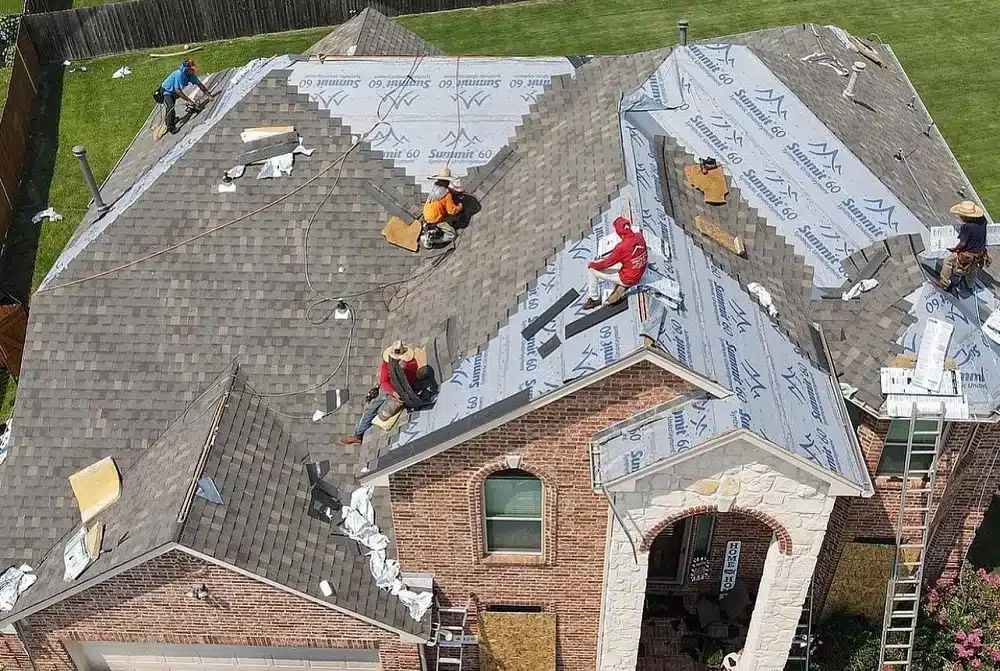
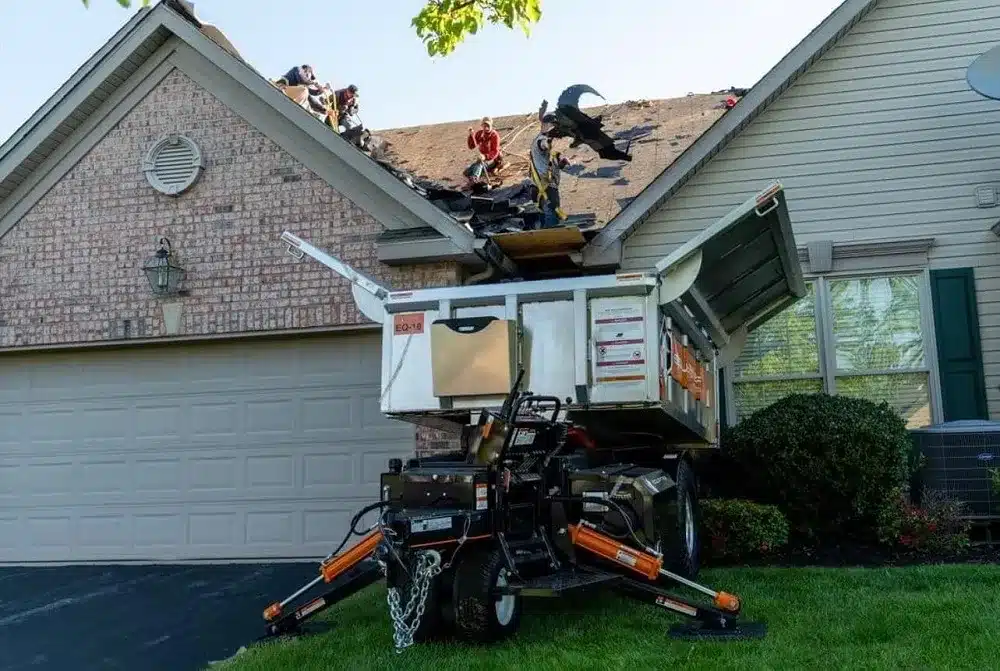
• Inspect storm damage early to catch roof, gutter, siding, and water issues before winter makes them worse.
• Act fast on repairs so small problems do not turn into leaks, drafts, or bigger damage during cold weather.
• Follow a clear recovery plan to protect your home, document damage, and get it ready for the season ahead.
Why Fall Is the Time to Act
When storms hit Rockville, MD in the fall, small roof and siding problems can turn serious fast. Wet weather, wind, and dropping temperatures can make damage worse before winter arrives. That is why storm damage restoration before winter season matters for protecting your home now, not later. If you wait too long, you may face bigger repair costs and more stress when the cold sets in.
We often see homeowners notice a loose shingle, a dented gutter, or a damp spot and put it off until spring. The trouble is that winter weather can push water deeper into hidden damage and make repairs harder to handle. Taking action early gives us a better chance to stop problems before they spread across the roof, siding, or trim. It also helps keep your home ready for snow, ice, and freezing rain.
Our team at storm damage restoration services knows how quickly fall storms can affect a home in this area. Even damage that looks minor from the ground can lead to leaks, drafts, and structural issues if it is ignored. When we address storm damage early, we help protect the home’s comfort, safety, and value through the colder months. That is the smart move before winter weather gets more severe.
How We Handle Storm Damage
The first step is to look for signs of damage as soon as the weather clears. We check the roof, flashing, gutters, siding, and other exposed areas for cracks, lifted materials, missing pieces, and water spots. This matters because storm damage is often easy to miss until it starts causing interior problems.
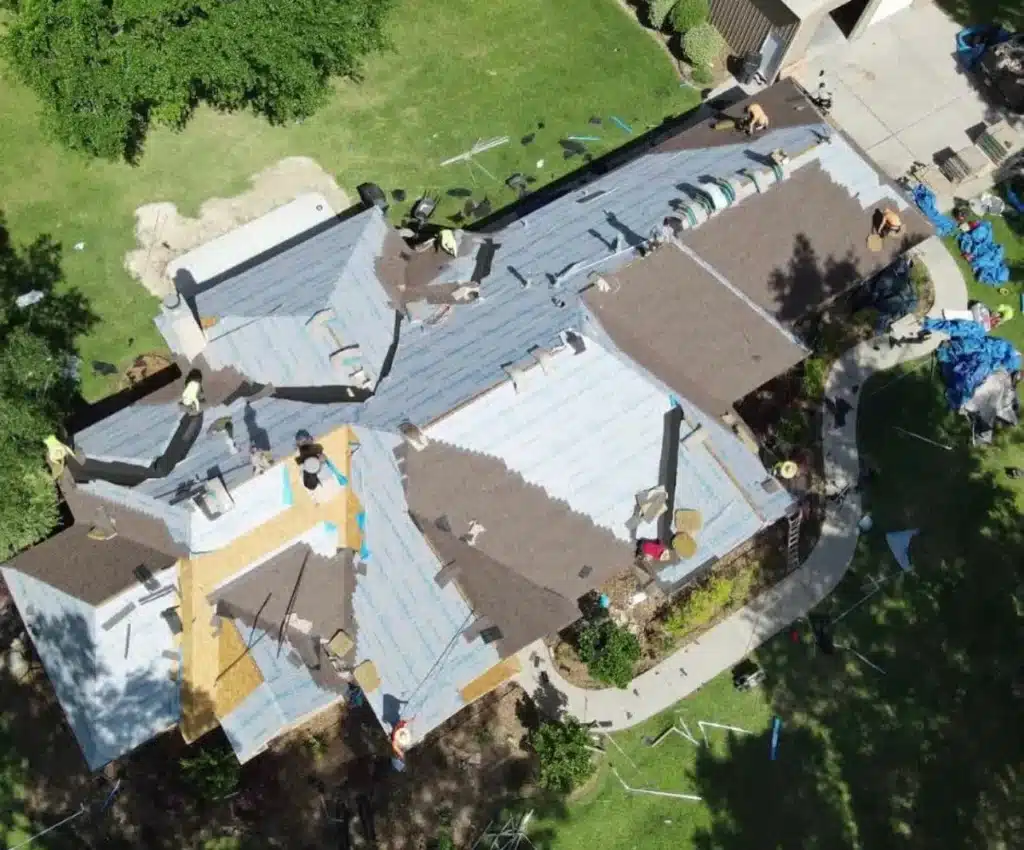
Next, we focus on what needs attention right away so the home stays protected from more rain or cold air. In many cases, that means sealing leaks, replacing damaged sections, and making sure water can drain away from the house. We also look at hidden trouble spots, since moisture can move into places that are not obvious at first glance.
From there, we build the repair plan around the type and size of the damage. Some homes only need quick fixes, while others need more work to bring the exterior back to a safe, solid condition. When we handle storm damage restoration before winter season, our goal is to solve the current issue and reduce the chance of more trouble during freezing weather.
Step-by-Step Storm Recovery Plan
🔍 Step 1: Check the Home After the Storm
Look over the roof, gutters, siding, and windows as soon as it is safe to do so. Early checks help you catch damage before rain or cold weather makes it worse.
🪜 Step 2: Look for Visible Warning Signs
Watch for missing shingles, bent flashing, loose siding, and clogged gutters. These signs often point to deeper damage that may not be obvious from inside the home.
💧 Step 3: Find Any Water Intrusion
Check ceilings, attic spaces, and upper walls for damp spots, stains, or peeling paint. Water intrusion can spread quickly, especially when temperatures begin to drop.
🛠️ Step 4: Secure the Damaged Areas
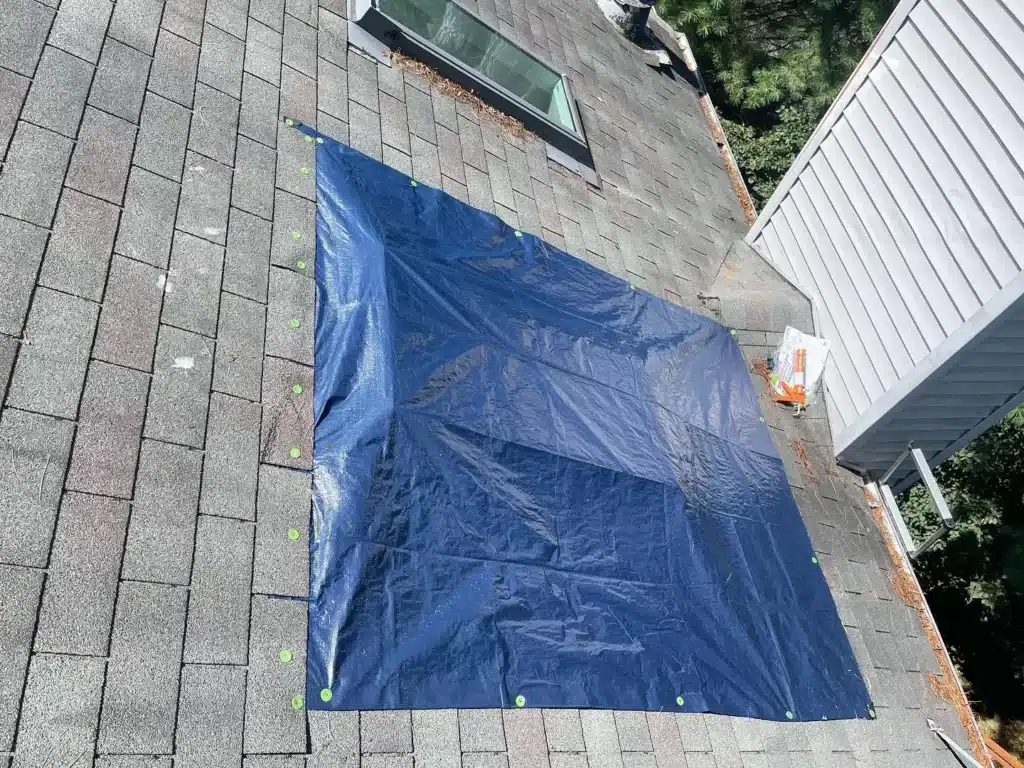
Cover exposed spots and stop additional water from getting in while you plan repairs. This helps protect the home from more damage during fall rain and early winter weather.
📋 Step 5: Document the Damage
Take clear photos of everything you find, including close-up and wide shots. Good records help track the damage and support the repair process.
🏠 Step 6: Repair the Roof and Exterior
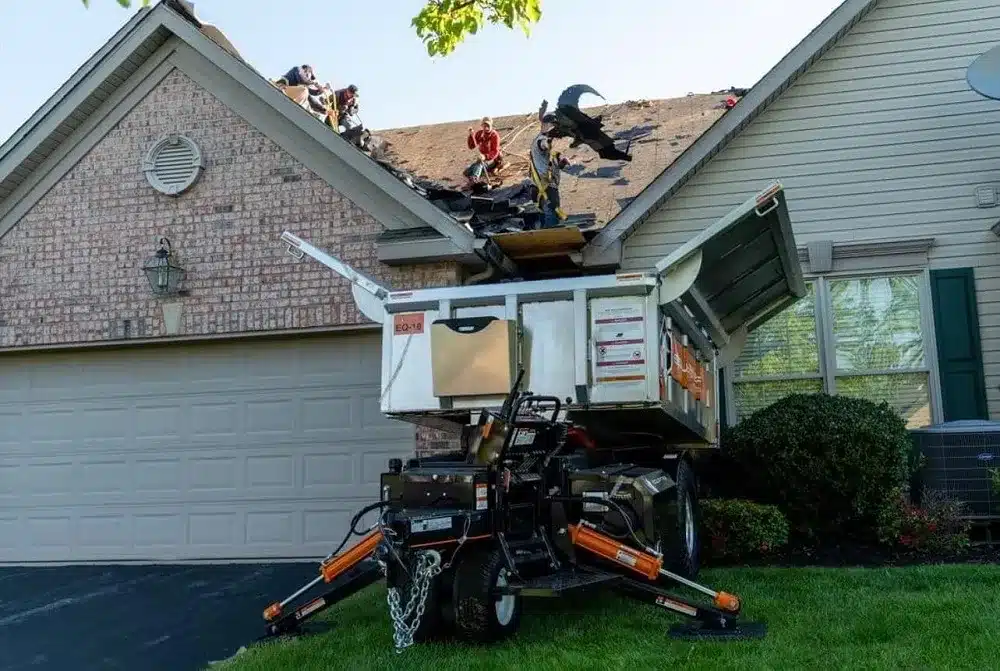
Fix damaged roofing parts, siding, gutters, or trim based on what the inspection found. These repairs help restore the home’s outer shell before snow and ice arrive.
🌬️ Step 7: Check for Drafts and Weak Spots
Look for places where air or moisture can enter around the roofline, windows, or siding joints. Sealing those weak spots helps the home stay warmer and drier in colder weather.
✅ Step 8: Finish With a Final Review
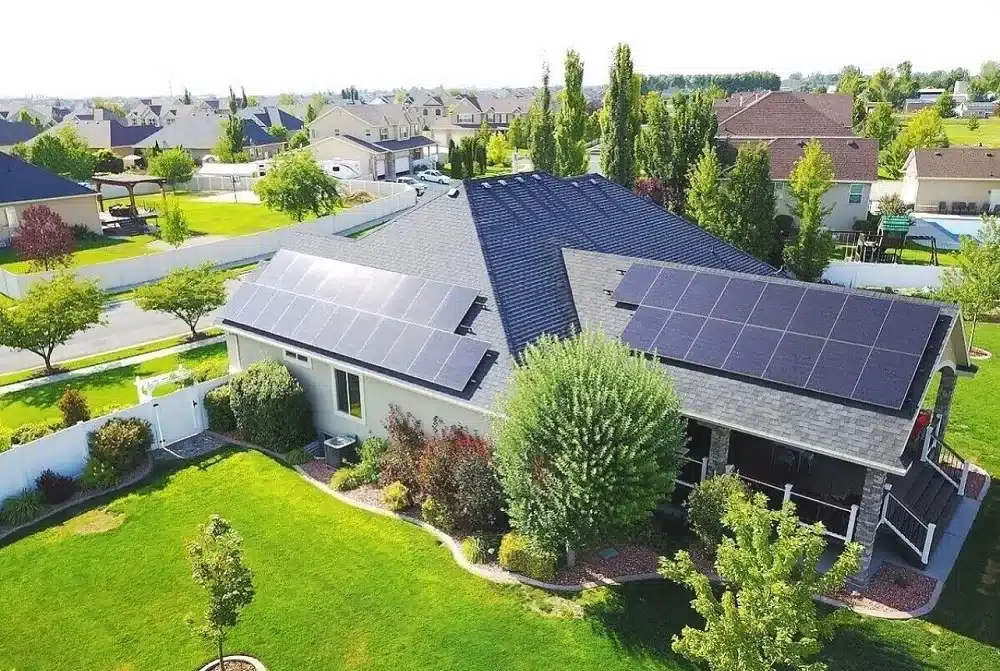
Walk the property again after repairs are complete to make sure everything is secure. A final review helps confirm that the home is ready for winter conditions.
Common Mistakes to Avoid
Many homeowners try to handle storm damage too quickly or skip important checks because they want the issue fixed fast. That can lead to missed problems, weak repairs, and more damage once cold weather arrives. The best way to avoid setbacks is to follow each step carefully and not assume the outside damage is the full picture.
Another common issue is waiting until winter is already here to start repairs. By then, water, ice, and cold air can make the job harder and the damage worse. A simple plan done early can save time, money, and stress later.
- ⚠️ Mistake 1: Only Looking at the Damage You Can See
Many people stop after spotting one broken shingle or loose gutter piece. The problem is that hidden damage can sit under the surface and grow over time, so we always check nearby areas too. - ⚠️ Mistake 2: Waiting Too Long to Act
This happens when homeowners hope the issue will not get worse right away. Delaying repairs gives rain and cold weather more time to spread the damage, so early action is the better choice. - ⚠️ Mistake 3: Ignoring Small Leaks or Stains
Small signs are often treated as minor, but they can point to a larger problem. We prevent this by treating every water spot, drip, or damp area as a warning sign that needs attention. - ⚠️ Mistake 4: Skipping Temporary Protection
Some people wait for a full repair without covering exposed areas first. That leaves the home open to more rain and wind, so temporary protection is important until the full fix is complete. - ⚠️ Mistake 5: Forgetting the Final Check
Repairs can look finished even when a weak spot is still there. A final review helps confirm that the area is sealed, secure, and ready for winter weather.
Frequently Asked Questions
What should I do first after storm damage to my home?
Yes, you should inspect the home as soon as it is safe and look for visible damage on the roof, gutters, siding, and interior ceilings. Quick action helps stop leaks and other problems from getting worse before winter arrives.
How do I know if I need storm damage restoration before winter season?
Yes, signs like missing shingles, water stains, bent gutters, and loose siding usually mean repairs are needed. Even small issues can lead to bigger trouble when cold weather and moisture set in.
Can small storm damage get worse in winter?
Yes, small damage can worsen quickly in winter because freezing temperatures, ice, and heavy moisture can push the problem deeper. A minor leak or crack can become a much larger repair if it is left untreated.
Should I check my attic after a storm?
Yes, checking the attic is a smart move because it can show signs of leaks, moisture, or roof damage before the problem spreads. Stains, damp insulation, or a musty smell can all point to storm-related issues.
How often should I inspect my home during fall?
Yes, it is wise to inspect the home after each major storm and again before winter weather gets stronger. Regular checks help catch damage early and keep the home protected through the season.
Ready for Winter Weather
Storm damage is easier to handle when we act early and follow a clear plan. Fall is the best time to catch problems, make repairs, and protect the home before freezing weather adds more pressure. A careful approach now can help prevent leaks, drafts, and costly surprises later.
If your home needs attention before winter settles in, we are ready to help with the next step. For more updates and home exterior tips, follow us on social media.