
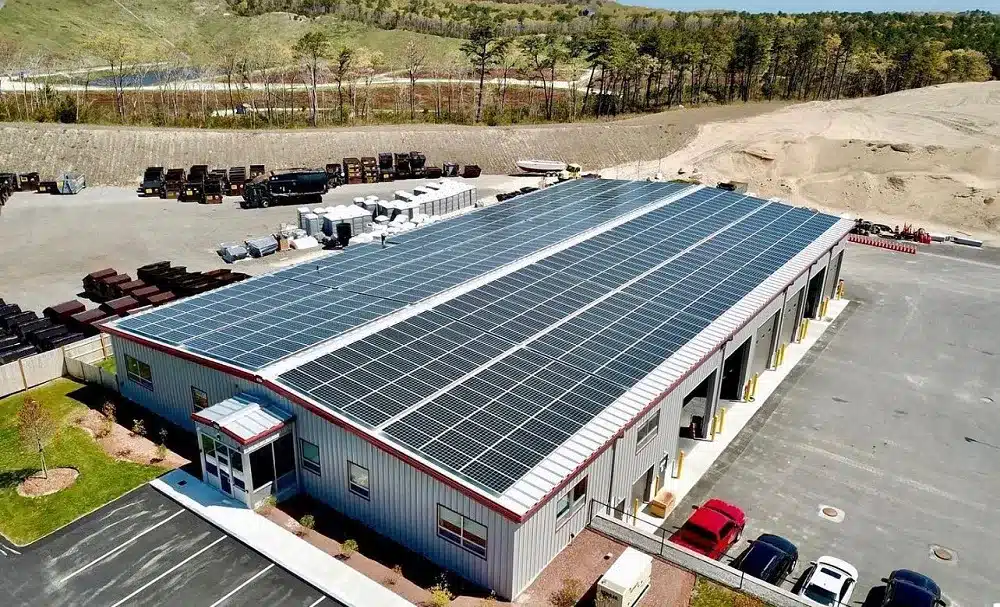
One Mobilization, One Crew, One Project - Roofing labor mobilization and tear-off is the largest cost in any roof project. When solar installation happens on the same visit, you eliminate a second mobilization entirely — saving on crane/lift rental, crew scheduling, and permit fees that would be duplicated across two separate projects.
New Roof Warranties Support Solar Installations Solar panels installed on an aging or end-of-life roof will need to be removed and reinstalled when that roof fails — at full cost, often not covered by either warranty. Installing on a new roof ensures the roofing warranty covers the penetration points and that the manufacturer will honor the full warranty term.
Maximize Federal and State Credits in One Tax Year The federal Investment Tax Credit (ITC) covers 30% of the entire solar system cost — including roof work that is part of the solar installation. Coordinating both in the same tax year maximizes your credit capture and simplifies the documentation required for the IRS Form 5695 filing.
The DC–Virginia–Maryland region averages 4.5–5 peak sun hours daily — strong solar production that makes residential solar economically competitive, especially with Virginia's net metering policy.
South-facing roof planes at 20–35 degree pitch deliver optimal energy yield in the DMV. East and west-facing installations produce 10–20% less but still pencil out economically with current equipment pricing.
Solar permitting, utility interconnection requirements, and net metering policies differ significantly across the three DMV jurisdictions. A contractor licensed in all three states avoids delays from jurisdiction-specific requirements.
Most shingle manufacturer warranties specify approved mounting methods for solar installations. Penetrations made without approved flashing hardware can void the roofing warranty — an important detail when coordinating both systems.
Virginia's net metering program allows solar production to offset utility consumption on a 1:1 basis — credits roll forward monthly. Sizing the system correctly from the start, before the roof is done, ensures optimal panel count.
The federal 30% solar ITC applies in the year the system is placed in service — not when it's contracted. Ensure your project timeline gets the system commissioned and inspected within the same tax year you plan to claim the credit.
