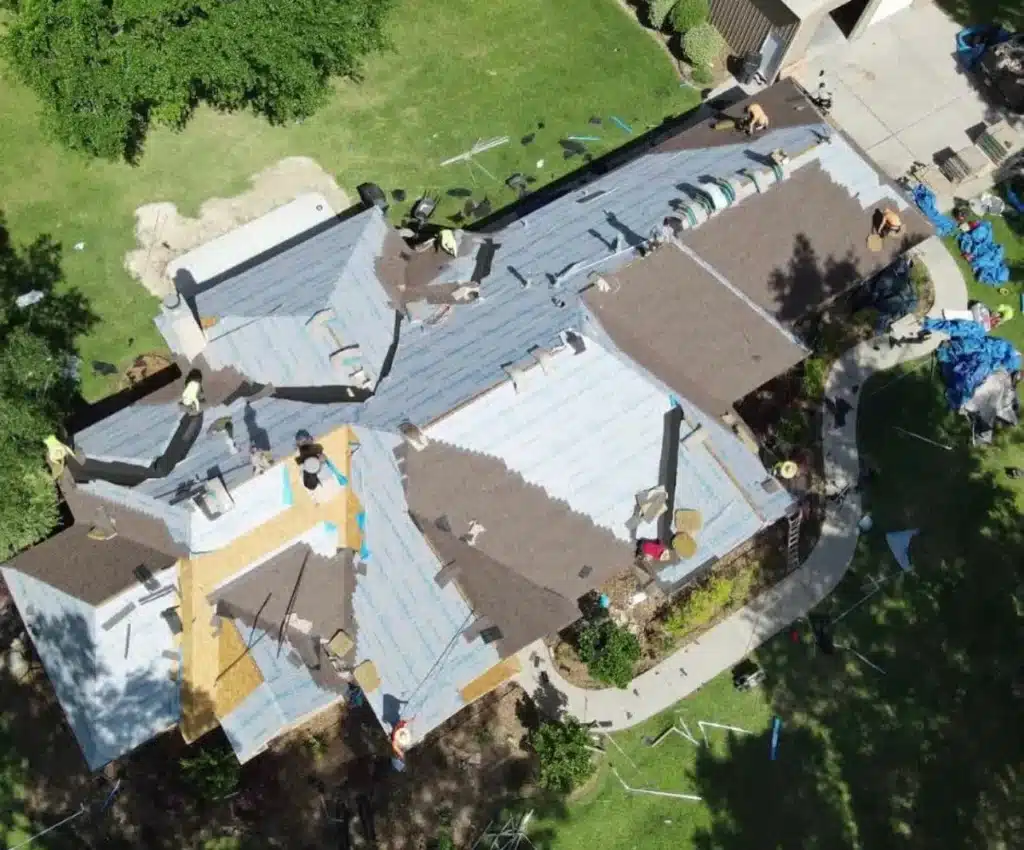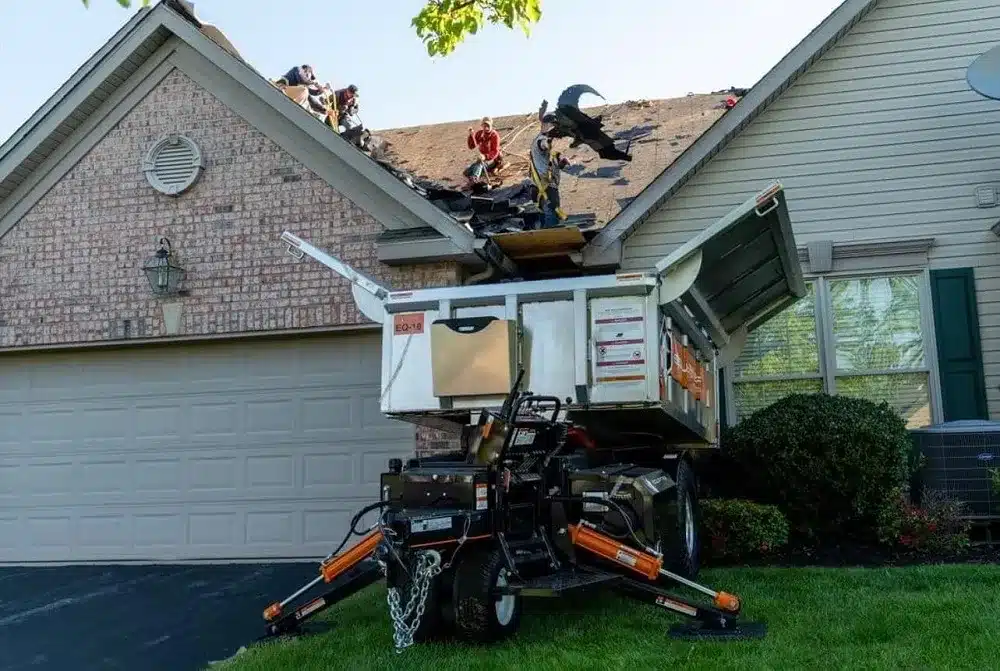


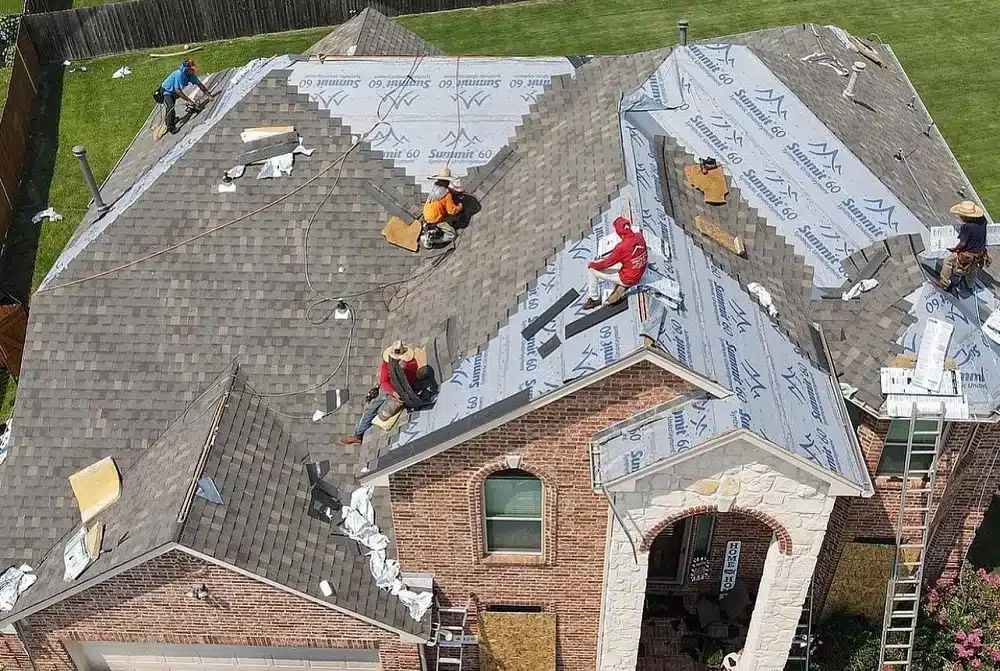
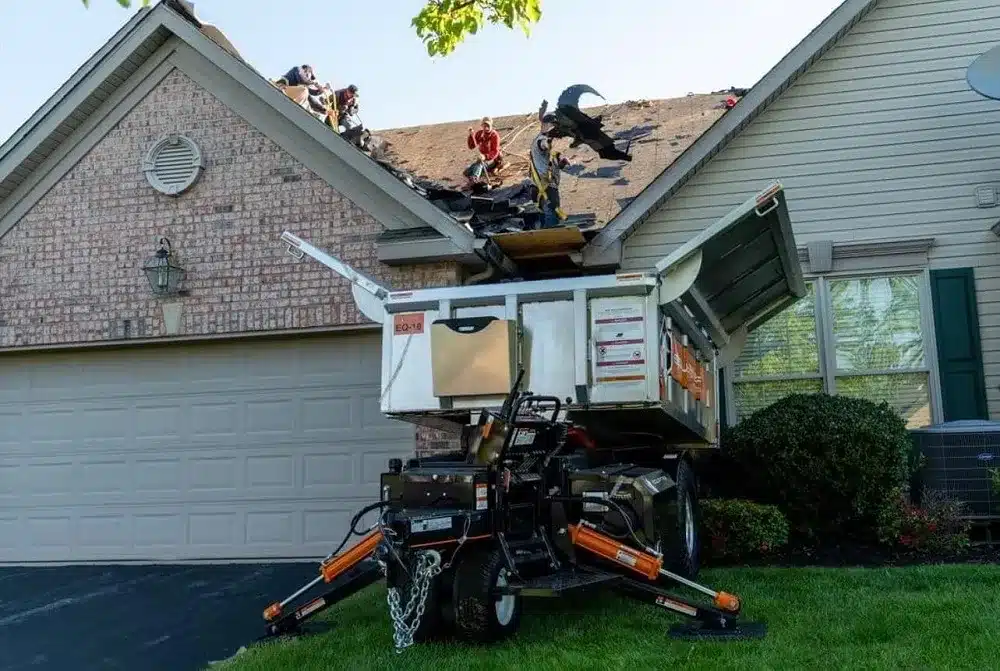
• A summer roof maintenance checklist helps us catch small issues before they turn into leaks, storm damage, or costly repairs.
• The most important steps include checking shingles, flashing, gutters, attic moisture, and roof ventilation for early warning signs.
• Knowing the common DIY mistakes and answers to common questions helps us protect the roof safely and keep the home ready for summer weather.
Why Summer Roof Care Matters
When summer arrives in Woodbridge, small roof problems can turn into bigger ones fast. Heat, sun, and sudden storms can all put stress on shingles, flashing, and gutters. A summer roof maintenance checklist helps us catch trouble before it starts costing more.
Many roof issues do not show up from the ground right away. A missing shingle or clogged gutter can lead to leaks, water stains, and damaged decking over time. That is why it makes sense to check things early, while repairs are still simple.
If we wait until a leak shows up, the fix may take more time and money. Regular roof care gives us a better chance to spot weak points before the season turns rough. For homeowners who want trusted help, our team at residential roofing services is ready to step in when needed.
What We Look For On The Roof
A good summer roof check starts with a careful look at the surface, edges, and drainage areas. We look for cracked shingles, loose flashing, rusted fasteners, and any signs of wear around vents and chimneys. These small details often tell us where water could get in later.
We also pay attention to the attic because roof problems often show up there first. Dark spots, damp insulation, or musty smells can point to hidden trouble that needs attention. If you want to see how our team helps homeowners stay ahead of roof problems, you can learn more at our main website.
Summer Roof Maintenance Checklist
🔍 Step 1: Inspect the roof from the ground
Start by looking for missing shingles, sagging lines, or debris buildup from a safe spot below. This first look helps us catch obvious problems before anyone climbs up for a closer inspection.
🧹 Step 2: Clear leaves and debris
Remove branches, leaves, and dirt from the roof surface and valleys. Debris traps moisture and can block water flow during summer storms.
💧 Step 3: Check gutters and downspouts
Make sure gutters are open and downspouts move water away from the home. When drainage is blocked, water can back up and affect the roof edge and fascia.
🪜 Step 4: Look at flashing and seal points
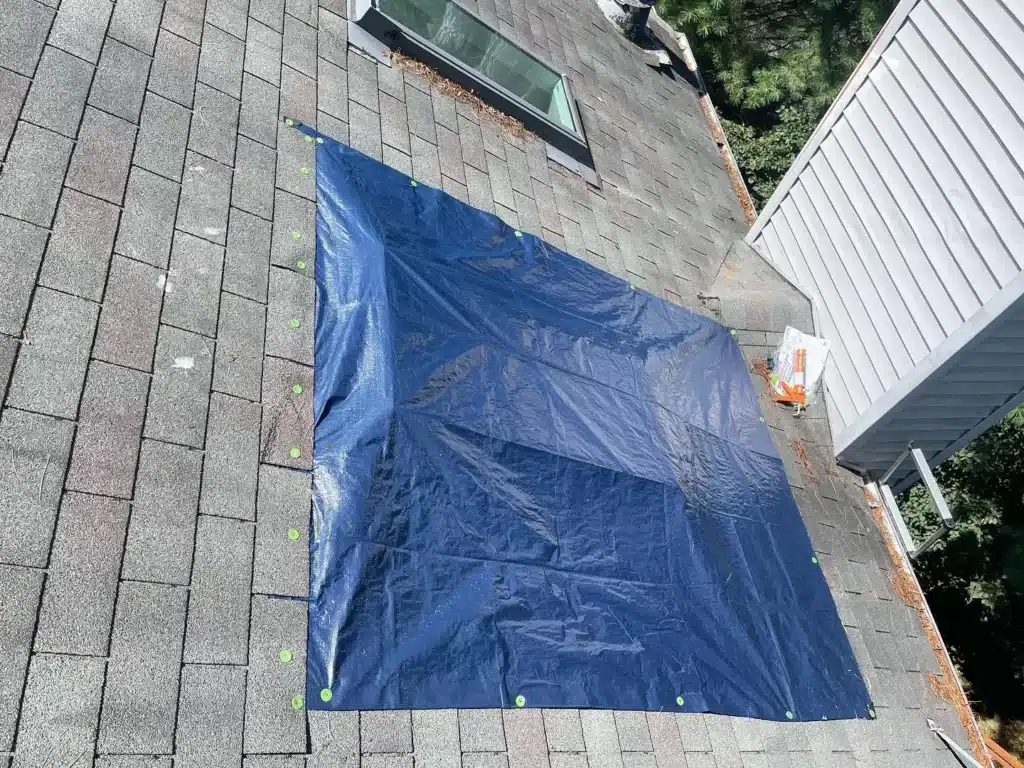
Check the metal flashing around chimneys, skylights, vents, and roof edges. These areas are common leak spots because sealants and metal pieces can loosen over time.
🏠 Step 5: Inspect the attic for signs of moisture
Go into the attic and look for stains, damp insulation, or daylight showing through the roof deck. Moisture inside often gives us the earliest warning that the roof needs attention.
🌞 Step 6: Check for heat-related wear
Look for curling shingles, blistering, or areas where the surface looks brittle. Strong summer sun can dry out roofing materials and make older sections wear faster.
🌬️ Step 7: Confirm attic airflow is working
Make sure vents are clear and air can move through the attic space. Good airflow helps reduce heat buildup, which can shorten the life of roofing materials.
📋 Step 8: Schedule repairs before storms hit
If we notice damage, it is smart to handle repairs quickly rather than wait. Summer storms can turn a small issue into a bigger one in a single day.
Mistakes To Avoid During Roof Care
Many homeowners want to handle roof upkeep themselves, but it is easy to miss important details. A few small mistakes can lead to leaks, poor drainage, or extra damage during the summer months. Knowing what to avoid helps us do the job more safely and get better results.
Some problems happen because the issue is not visible from the ground, while others come from rushing through the work. The best way to prevent setbacks is to follow each step carefully and focus on the areas most likely to fail first.
- ⚠️ Mistake 1: Only checking from the driveway
This mistake means the homeowner never gets close enough to spot cracked shingles or worn flashing. It usually happens because the roof looks fine from below, but many problems are hidden from view. To prevent it, use a safe, closer inspection method or bring in a trained eye when needed. - ⚠️ Mistake 2: Leaving debris in roof valleys
Debris in valleys blocks water flow and raises the chance of pooling. This often happens after storms when leaves and sticks collect in hard-to-see areas. To prevent it, clear valleys carefully so water can move off the roof as it should. - ⚠️ Mistake 3: Ignoring gutter backups
When gutters are clogged, water can spill over and damage the roof edge. Homeowners often miss this because the gutters do not always overflow during a quick glance. To prevent it, check that water is moving through the whole drainage path, not just sitting in the trough. - ⚠️ Mistake 4: Overlooking attic warning signs
Dark stains and damp insulation are easy to miss if the attic is not checked. This happens when people focus only on the roof surface and forget that leaks often show up inside first. To prevent it, make the attic part of every roof review. - ⚠️ Mistake 5: Waiting until a leak appears
By the time water enters the home, damage may already be spreading. This delay usually comes from hoping a small issue will go away on its own. To prevent it, address damage early and treat warning signs as a real problem.
Frequently Asked Questions
How often should we use a summer roof maintenance checklist?
Yes, we should use a summer roof maintenance checklist at least once each season, and again after major storms. Summer heat and heavy rain can expose weak spots that were not obvious earlier in the year. A regular check helps us stay ahead of leaks and surface damage.
What are the most important parts of summer roof care?
Yes, the most important parts are shingles, flashing, gutters, downspouts, and attic ventilation. These areas are the most likely to show wear or let water into the home. When we check them together, we get a better picture of the roof’s condition.
Can we do summer roof maintenance ourselves?
Yes, we can handle basic visual checks and simple cleanup if the roof is safely accessible. Anything involving steep slopes, damage, or hidden leaks is better left to a roofing professional. Safety should always come first.
Why is attic inspection part of roof maintenance?
Yes, the attic is important because it can show signs of roof trouble before the ceiling does. Stains, damp insulation, and musty smells often point to moisture getting in above. Checking the attic helps us catch issues early.
What should we do if we find damaged shingles?
Yes, damaged shingles should be repaired quickly so the problem does not spread. Missing, cracked, or curling shingles can leave the roof open to water intrusion and heat damage. If the damage is more than a small spot, it is smart to have it checked right away.
Final Thoughts For Summer Roof Care
A strong summer roof routine helps us protect the home before small issues turn into bigger repairs. By following each step carefully, we can spot wear early, keep water moving the right way, and reduce stress on the roof during hot weather. That is the value of a smart summer roof maintenance checklist in Woodbridge.
When we stay ahead of roof problems, we protect both comfort and peace of mind. If you want to keep up with our latest updates and roofing tips, follow us on social media.