

• Learn the first steps to take after roof damage, including how to document issues and contact your insurer quickly.
• Understand how roof insurance claims work, what adjusters look for, and why timing matters during the claims process.
• Get practical tips to file faster, avoid common mistakes, and protect your home while your claim moves forward.
How Roof Insurance Claims Work in Springfield
Spring storms in Springfield can leave a roof looking fine from the street while hidden damage is already spreading. When that happens, waiting too long can make the claim process harder and may put your home at greater risk. Knowing how roof insurance claims work can help you act fast and avoid costly mistakes.
A small leak, missing shingles, or dented flashing may not seem urgent at first, but these issues can grow quickly after rain and wind. Insurance companies often want clear proof of damage, and that means timing matters as soon as the weather passes. If you are dealing with storm damage, a quick review of your roof can make the next steps much smoother, and you can start by visiting our roofing team for help.
Spring is also a busy season for roof problems in Northern Virginia because weather can shift from calm to severe in a short time. That makes it important to know what to do before the damage worsens or the claim gets delayed. A careful approach now can save time later and help you feel more in control during a stressful situation.
What to Expect During a Roof Claim
The claim process usually starts when you notice damage and contact your insurance company as soon as possible. After that, an adjuster may inspect the roof, review the cause of the damage, and decide what the policy may cover. In many cases, the insurer will look for signs that the damage came from a covered weather event rather than from age or wear.
It helps to keep your roof in good shape before storm season because records and photos can support your claim later. We also recommend staying aware of the signs that matter most, like lifted shingles, granule loss, and water spots inside the home, since these details often shape the next step. Understanding how roof insurance claims work can help you speak clearly with your insurer and avoid confusion during the process.
Tips from the Pros
🔍 Tip 1: Check for damage right after the storm
Look for missing shingles, bent flashing, or debris on the roof as soon as it is safe to do so. Fast action helps you document the problem before more rain or wind adds new damage.
📸 Tip 2: Take clear photos from the start
Use simple, well-lit pictures to show the roof, gutters, and any interior leaks or stains. Photos help show what happened and can support the details in your claim.
📄 Tip 3: Keep your insurance papers handy
Review your policy so you know what kinds of storm damage may be covered. This can save time when you talk with your insurance company and help you ask the right questions.
🛠️ Tip 4: Make temporary fixes if needed
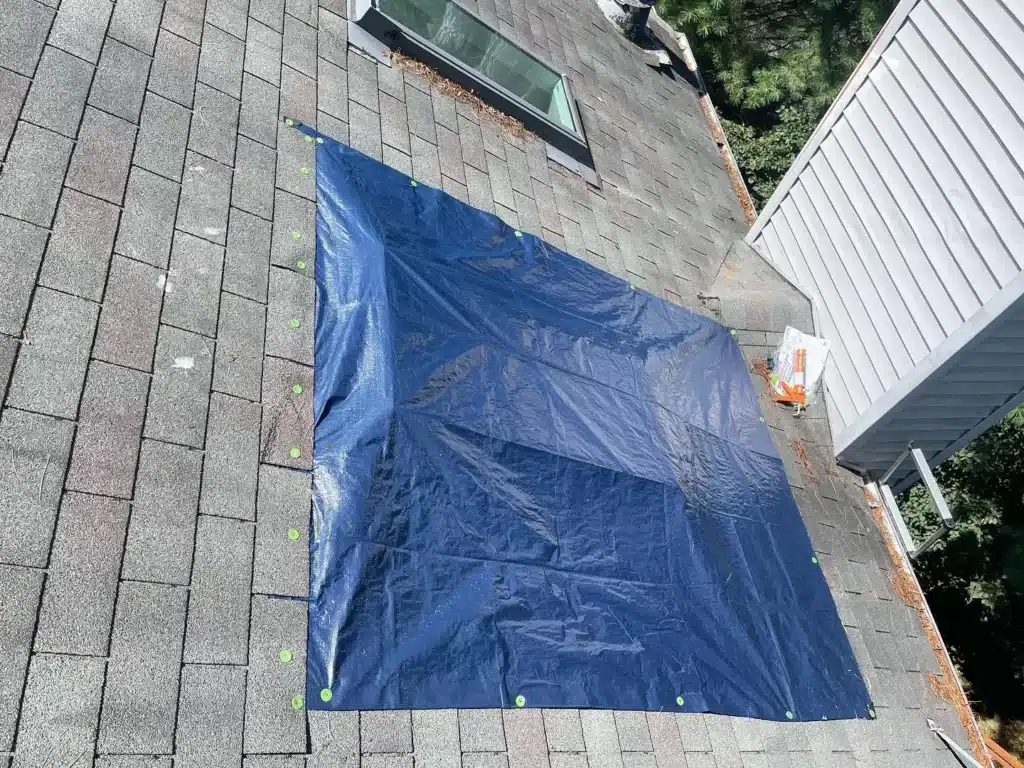
If water is getting in, use safe temporary protection to limit more damage inside the home. Insurance companies usually expect homeowners to take reasonable steps to protect their property after a loss.
📋 Tip 5: Write down every repair or call
Keep a simple record of the date, who you spoke with, and what was said about the damage. These notes can help if there are questions later in the claim process.
🌧️ Tip 6: Watch for hidden storm damage
Not all roof damage is easy to spot from the ground, especially after wind or hail. Look for subtle signs like dents, loose seals, or small leaks that can become bigger problems in spring weather.
👷 Tip 7: Get a roof inspection before filing
A trained roofing pro can help identify damage that may not be obvious to you. That can make your insurance report stronger and give you a clearer idea of what to expect next.
⏱️ Tip 8: Act before the damage gets worse
Delays can make repairs more complicated and may lead to more water entering the home. The sooner you start the claim process, the easier it is to show that the damage happened recently.
Frequently Asked Questions
How roof insurance claims work after storm damage?
Roof insurance claims work by starting with a damage report to your insurer, followed by an inspection and review of your policy. If the damage is covered, the insurance company may approve payment for repair or replacement based on the claim details.
What should I do first after roof damage?
You should document the damage and contact your insurance company as soon as possible. It is also smart to protect your home from further water intrusion while you wait for the claim process to move forward.
Does every roof problem qualify for insurance coverage?
No, not every roof problem is covered by insurance. Damage caused by storms is often handled differently than damage from age, wear, or poor maintenance.
How long does a roof claim usually take?
A roof claim can take anywhere from a few days to several weeks depending on the damage, the insurer, and how quickly the inspection is completed. Having clear photos and prompt communication can help the process move faster.
Can a roofing company help with my insurance claim?
Yes, a roofing company can help by checking for damage, documenting what they find, and explaining the repair needs in clear terms. That support can make it easier to understand how roof insurance claims work and what comes next.
Final Thoughts on Roof Claims
When storm damage shows up, quick action and clear records can make a big difference in the outcome of your claim. Knowing what signs to look for and how to speak with your insurer helps you stay ready during a stressful time. The more prepared you are, the easier it is to protect your home and move toward repairs.
If your roof has taken a hit this spring, we are here to help you understand the next step and keep the process simple. A careful roof inspection can give you the facts you need before you file or follow up on a claim, and you can follow us on social media for more helpful updates.